

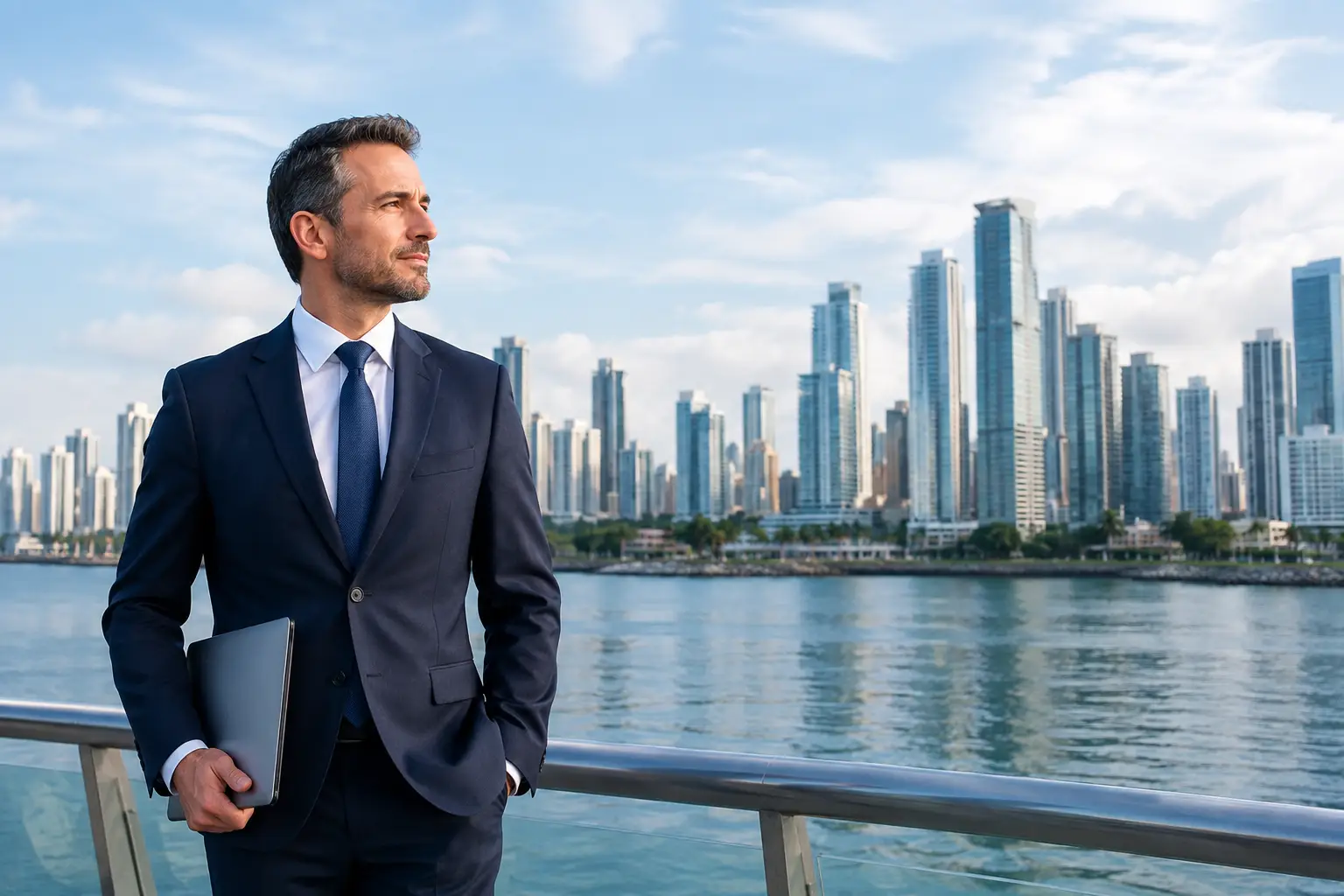
A 7:30 a.m. investor breakfast in Panama City, an afternoon site visit near the canal, and a private dinner overlooking the Pacific can all fit into one day. The question is whether that day will feel controlled and comfortable. Is Panama safe for executives? For most business travelers, yes – particularly when the itinerary is designed with the same judgment applied to any international commercial hub: choose the right base, use trusted transportation, protect your schedule, and avoid unnecessary exposure.
Panama is one of Latin America’s most established business gateways. Its dollarized economy, international banking presence, canal-driven commerce, and strong air connectivity bring executives, entrepreneurs, and investors into the country every day. It is not a place to approach carelessly, nor does it need to be experienced defensively. The difference lies in preparation and local coordination.
Is Panama Safe for Executives on Business Travel?
Panama City is generally welcoming and manageable for executive travel, especially in the central business and residential districts where leading hotels, offices, restaurants, and private residences are concentrated. Areas such as Punta Pacifica, Costa del Este, San Francisco, Obarrio, Bella Vista, and the banking district are common choices for visitors who value proximity, polished surroundings, and reliable access to meetings.
As in Miami, Mexico City, or many global capitals, safety is not uniform block by block. Petty theft, opportunistic scams, and street crime can occur, especially where visitors appear distracted or unfamiliar with their surroundings. A laptop left visible in a vehicle, a phone displayed late at night, or an unplanned walk through an unfamiliar area creates more risk than a carefully managed business day.
For an executive, the relevant question is less about whether to visit and more about how to move. Private airport reception, vetted drivers, direct routing, and a clear point of contact make the experience markedly more relaxed. They also preserve what is often more valuable than convenience: time, privacy, and mental space before an important meeting.
What Executive Safety Looks Like in Practice
A high-standard trip should begin before arrival. Tocumen International Airport is modern and well connected, but after a long-haul flight, arranging transportation at the curb is not the most discreet or efficient way to enter the city. A prearranged bilingual driver can meet guests, handle luggage, and take them directly to their hotel, residence, or first appointment.
Within the city, executive travelers are best served by private transportation rather than walking between appointments or relying on an unfamiliar taxi. Ride-hailing services are widely used, but for a client carrying sensitive documents, traveling with family, or moving on a tight timetable, a dedicated professional vehicle offers greater consistency. It also allows for adjustments when meetings run late, weather changes, or the city’s traffic builds around peak hours.
Panama City traffic deserves practical respect. It is not usually a safety concern, but it can affect punctuality and decision-making. Cross-city travel at rush hour can take substantially longer than expected. The right itinerary groups meetings by neighborhood, leaves room between commitments, and avoids turning a high-value day into a sequence of rushed arrivals.
Evenings require the same measured approach. Panama City has excellent dining, rooftop venues, and private entertainment options, and many are located in areas frequented by international visitors. Choose established venues, arrange your return transportation in advance, and avoid wandering after dinner in quiet or unfamiliar streets. This is not about limiting the city’s pleasures. It is about enjoying them without adding friction to the experience.
Privacy Matters as Much as Physical Security
For founders, investors, senior leaders, and public-facing executives, privacy is often the more sensitive concern. Conversations about acquisitions, relocation, investments, or family plans should not happen casually in hotel lobbies, crowded cafes, or vehicles with unknown drivers. Panama is business-oriented and accustomed to international clients, but discretion still needs to be actively designed into the trip.
Select accommodation with a location that fits the purpose of the visit. A waterfront hotel may be ideal for formal meetings and hosted dinners, while a private residence or serviced apartment can offer more control for a longer stay. The best choice depends on the size of your party, your security expectations, and whether your schedule requires public-facing hospitality or quiet working time.
For sensitive meetings, confirm the venue in advance and use private rooms rather than assuming a restaurant table will be suitable. If you are considering property, residency, or a strategic partnership, separate exploratory conversations from social occasions. A thoughtful host can make introductions and open doors without making your business visible to the entire room.
Digital habits also travel with you. Use standard executive precautions: keep devices attended, avoid discussing confidential matters over open Wi-Fi, and verify unexpected payment or document requests through a known contact. Panama’s international business environment is sophisticated, but no destination eliminates the need for good personal security practices.
Where Extra Caution Is Appropriate
Panama offers a great deal beyond the capital, from Caribbean islands and rainforest lodges to private coastal escapes. These experiences are extraordinary, but remoteness changes the logistics. Weather, boat conditions, domestic flight schedules, medical access, and communications can all require more planning than they do in the city.
Certain border areas and isolated zones are not appropriate for casual independent exploration. The Darién region, near the Colombian border, is the clearest example and should only be considered with specialized, purpose-driven arrangements. For executive leisure extensions, there is rarely a reason to take unnecessary risks when Panama offers so many refined alternatives: the Pearl Islands, Bocas del Toro, Boquete, Santa Catalina, and the Pacific coast can be experienced beautifully with the right routing and local expertise.
Water activities deserve their own level of care. Private yachts, sport fishing, island transfers, and virgin-beach days can be among the most memorable parts of a Panama visit, yet they should be arranged with licensed operators, weather-aware captains, and appropriate safety equipment. The goal is not a packed excursion. It is a day that feels effortless from pickup to return.
Health, Weather, and Everyday Readiness
Panama’s tropical climate is part of its appeal, but executives arriving from cooler climates sometimes underestimate heat and humidity. Hydration, light clothing, and realistic outdoor timing make a significant difference. Plan rainforest walks, canal excursions, and active experiences early in the day, then reserve the hottest hours for meetings, wellness, or a long lunch indoors.
The rainy season can bring intense but often brief afternoon showers. It does not stop business or leisure, but it can affect road travel, boat plans, and flight timing. A flexible itinerary protects the experience: schedule critical meetings with buffer time, keep a refined indoor alternative ready, and avoid treating every outdoor reservation as immovable.
Travel insurance, current medical information, and prescribed medications should be handled before departure. Quality private medical care is available in Panama City, while options can be more limited in remote destinations. Travelers with specific health needs should plan accordingly rather than assume the same access exists throughout the country.
The Advantage of Local, Private Coordination
The most secure executive itinerary is rarely the most complicated one. It is the one where details have already been considered: who meets you on arrival, which route makes sense at that hour, where a confidential lunch can be held, and how your family is cared for while you are in meetings.
That is where a private concierge approach changes the character of a visit. Pa’ Ti Panamá designs stays around the client rather than a fixed itinerary – coordinating premium transportation, private access, dining, wellness, and carefully chosen experiences with attention that remains present without becoming intrusive. For an executive, this can mean fewer calls, fewer decisions on the move, and greater confidence that each transition is handled.
Panama rewards travelers who arrive with curiosity and move with intention. Let your schedule leave room for the country’s tropical elegance, but let the logistics stay quietly in the background – exactly where they belong.