

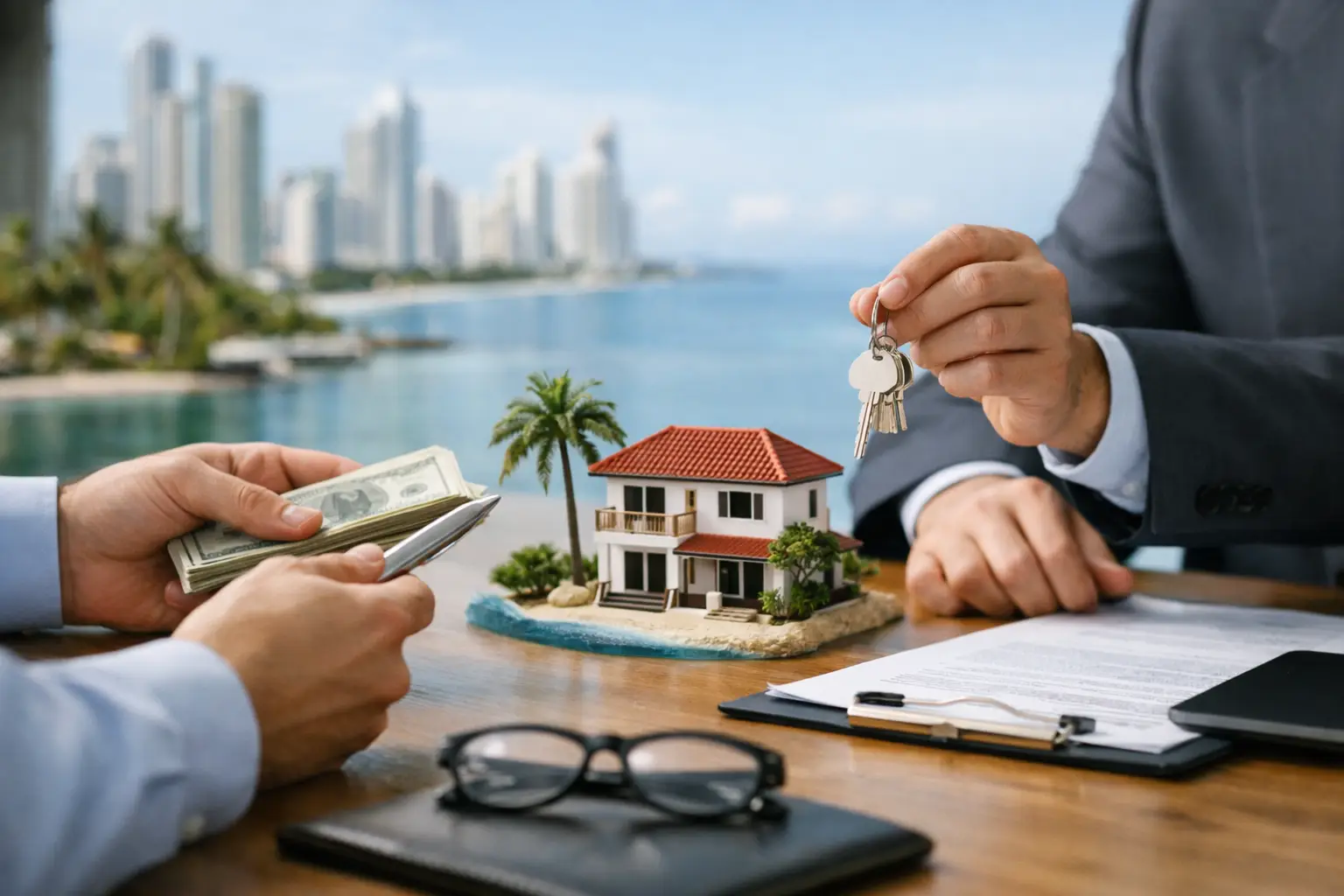
A waterfront apartment in Panama City, a home above the Pacific in Coronado, or a quiet retreat near Boquete can be more than a beautiful address. For many international buyers, it is a lifestyle decision with a business case behind it. So, can foreigners buy Panama property? In most cases, yes. Foreign buyers generally receive the same property ownership rights as Panamanian citizens, provided the property is properly titled and outside certain restricted areas.
That straightforward answer deserves a careful second look. Panama rewards buyers who move with intention: choosing the right location, verifying the title, understanding the ownership structure, and taking independent local advice before signing anything. The experience can be remarkably efficient, but it should never be rushed.
Can foreigners buy Panama property with full ownership?
Yes. Foreign individuals and foreign-owned companies can generally purchase and hold titled real estate in Panama. There is no broad residency requirement to own a house, condominium, commercial space, or land. Buying property also does not automatically grant residency, although a qualifying investment may be relevant to certain immigration pathways depending on the current rules and the buyer’s circumstances.
Most international purchases are made in one of two ways: directly in the buyer’s personal name or through a Panamanian corporation. Personal ownership can be simpler for a private residence. A corporation may make sense for estate planning, co-ownership, privacy considerations, or an investment held with partners. The right route depends on tax residency, succession planning, financing, and how the property will be used.
A corporation is not a shortcut around legal restrictions, and it should not be selected simply because someone says it is “standard.” Ask a Panamanian attorney and your home-country tax adviser to explain the ongoing costs, reporting responsibilities, and inheritance implications before deciding.
Where ownership is restricted
Panama’s openness to foreign buyers has meaningful boundaries. The most significant restriction concerns land close to international borders. Foreigners may face limitations on acquiring property within designated border zones, commonly understood as areas within 10 kilometers of the Costa Rican or Colombian borders. These cases require particularly careful legal review.
Coastal property also calls for precision. A view of the sea does not necessarily mean private ownership reaches the water. Beaches and certain coastal areas are public domain, while some waterfront parcels may involve concession rights, maritime-zone rules, environmental restrictions, or access obligations. An appealing beachfront listing may be a titled parcel, a concession, or a possession-rights arrangement. Those are very different assets.
Indigenous comarcas have their own legal framework, and private ownership by outsiders may be restricted or unavailable. Protected areas, islands, forest land, and agricultural parcels can also carry rules that affect development, subdivision, access, or permitted use. If your vision includes a private dock, a guest villa, or a destination-level retreat, confirm what is legally possible before you fall in love with the setting.
Titled property versus rights of possession
This is one of the most important distinctions for an overseas buyer. Titled property is recorded in Panama’s Public Registry and has a registered owner. It is the clearest form of ownership and is usually the preferred option for buyers seeking security, resale potential, and conventional financing.
Rights of possession, often described locally as possession rights, are different. The occupant may have a claim based on use or occupancy, but the land may not have a registered title in that person’s name. These arrangements can appear attractive because the price is lower or the location feels exceptional, especially in rural and coastal markets. They can also carry substantial risk.
Possession-rights transactions can involve unclear boundaries, competing claims, limited financing options, and a longer, uncertain path to obtaining title. They are not automatically unsuitable, but they are not comparable to buying titled real estate. For a first purchase in Panama, especially one intended as a residence or a significant investment, titled property is often the more prudent starting point.
The due diligence that protects your purchase
The most polished sales presentation cannot replace independent verification. Before committing funds, your attorney should conduct due diligence directly through the relevant public records and local authorities. This normally includes confirming the registered owner, reviewing the chain of title, checking for liens, mortgages, lawsuits, easements, and restrictions, and confirming that the parcel description matches the property you were shown.
A physical survey matters as much as a registry search. Boundaries on paper and boundaries on the ground do not always align, particularly outside major urban developments. Your team should also investigate road access, utility service, water availability, zoning, environmental rules, municipal taxes, and any homeowners’ association obligations.
For a condominium, request the building’s governing documents, current fee schedule, reserve position, rental rules, and confirmation that association assessments are paid. A residence that appears ideal for short-term rental income may sit within a building that restricts rental activity. Conversely, a buyer seeking calm and privacy may prefer a community with firm limits on transient stays.
When construction is involved, review the developer’s track record, permits, completion terms, specifications, warranty language, and payment schedule. Do not rely on renderings alone. Visit the site, inspect comparable completed projects, and have an independent professional review the contract.
How a Panama property purchase usually works
Once a suitable property has been identified and the preliminary checks are encouraging, the buyer typically makes an offer or signs a reservation or promise-to-purchase agreement. The terms should clearly state the purchase price, deposit, diligence period, closing date, what is included, and the circumstances in which deposits are refundable.
The final transfer is generally completed through a public deed before a Panamanian notary, followed by registration at the Public Registry. Funds are commonly handled through an escrow arrangement or another documented closing mechanism agreed upon by the parties and their advisers. Avoid informal payment requests, pressure to wire money to an unrelated account, or agreements that minimize the true purchase price.
A reliable local attorney represents your interests, not the seller’s. Your real estate agent can be invaluable for market access and negotiation, but the legal review should be independent. If you are purchasing from abroad, establish who has authority to sign, what documents require apostille or consular authentication, and whether a power of attorney is appropriate well before closing.
Costs, taxes, and the value of clear advice
The purchase price is only part of the budget. Legal fees, notary costs, registration fees, survey work, inspections, corporate setup or maintenance, insurance, and moving or furnishing costs all deserve room in the plan. Transfer taxes and capital gains taxes are often negotiated between buyer and seller, but the contract should specify exactly who is responsible for each cost.
Property tax treatment can vary by property type, value, use, and available exemptions. A primary residence may be treated differently from a vacation home, rental asset, or commercial holding. If you expect rental income, ask about local tax obligations, licensing, building rules, and the reporting requirements in your country of tax residence.
For U.S. buyers, owning property abroad may create reporting and estate-planning questions even when the property itself is not producing income. The same principle applies to buyers from Canada, Europe, and elsewhere. Panama counsel should handle Panama law; your home-country advisers should address the tax consequences where you live and file.
Choose the property around the life you want
A Panama purchase should work beautifully on an ordinary Tuesday, not only during a perfect viewing weekend. Panama City offers international connectivity, private hospitals, fine dining, cultural energy, and executive convenience. Pacific beach communities offer space and an easier rhythm, while Boquete and the highlands appeal to buyers who value cooler air, gardens, and a more residential pace.
Consider how often you will use the property, who will care for it while you are away, whether guests need airport transfers, and whether you want dining, golf, marinas, schools, or medical services close by. A spectacular home that is difficult to reach or manage may be exactly right for an occasional escape and entirely wrong for a frequent base.
For clients exploring both Panama’s lifestyle and its real estate possibilities, Pa’Ti Panamá can coordinate a private, unhurried scouting stay around the places that fit your preferences, from city residences to coastal escapes. The legal decision remains with your independent advisers, but the time on the ground can be designed with the discretion, context, and ease that a serious purchase deserves.
The best Panama property is rarely the one with the loudest listing. It is the one whose title is clear, whose setting supports the way you intend to live, and whose details still feel right after the view has had time to settle.